Remember the old days when your mum’s biggest skincare dilemma was whether to by Ponds or Oil of Ulan moisturiser?
How times have changed, and the advances in science and technology around skincare can leave us so confused we are wishing for the days of our mothers.
So, here is a simple guide to help you know the difference between serums and moisturisers, how to use them and how to work out what’s going to give you the best results for your skin.
A moisturiser is a lotion or cream which contains skin hydrating emollients and forms a physical barrier to help skin stay hydrated. Moisturisers have larger molecules than serums, so they are designed to nourish the top layers of the skin and their main benefit is to protect the skin, locking in moisture and nutrients.
As a general rule if they feel thick and heavy, they don’t contain active ingredients – they are just there to form a barrier and protect against the environment. On the flip side to that, if the cream is very watery it will evaporate very fast and offer no protection or leave behind any ingredients to treat the skin. So, the ideal moisturiser is something that sits in between the two. It’s the moisturiser that is vitally important for skin radiance and giving us that glowing skin that we all want.
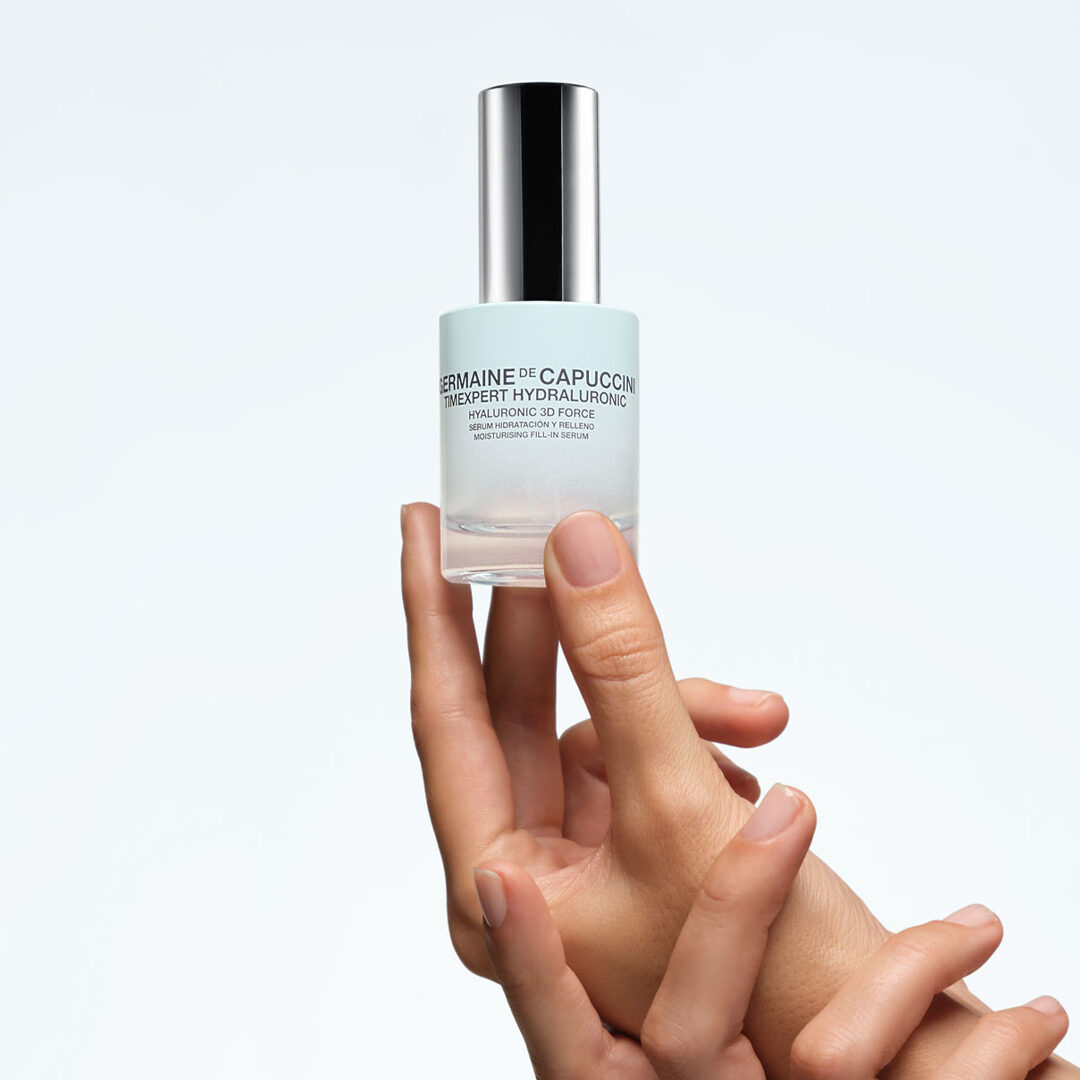
Serums are lightweight, intensive skin care products formulated to penetrate deeply, allowing their active ingredients to combat free radical damage, skin pigmentation, ageing, acne and scarring by delivering nutrients and vitamins right into the skin cells. Serums providing antioxidants, peptides, hyaluronic acid and Vitamin C can have dramatic and swift effects on the ageing signs like wrinkles and sun damage. They also encourage healthy exfoliation, which brings new and healthy skin to the surface giving that plump, dewy look.
Serums are designed to repair the skin at a cellular level and act on a wide range of skin health factors at the same time. If you have aged, damaged, scarred or sun damaged skin, a serum is your best choice to reduce the visible impacts on your skin. Serums act to improve skin firmness, smoothness and luminosity while reducing fine lines and wrinkles.
So… do you need a serum or a moisturiser?
Or both?
This is where layering comes into effect – while an antioxidant serum works to repair skin cells and combat free radicals, a moisturiser acts to prevent the evaporation of moisture and provides a physical barrier to protect the skin from environmental irritants and makeup particles.
Using a facial serum will increase the effectiveness of your skincare regime. If you are 30 or older, using a serum will make a big difference to the appearance of your skin.
How do you apply your serum and moisturiser?
Apply your serum twice a day, directly on your skin after cleansing and toning (damp skin is ten times more permeable than dry skin) and before moisturiser and sunscreen.
You only need to apply a small amount – your skin can only absorb so much. Using serum more frequently is better than simply applying more.
If you are unsure which serum or moisturiser will give you the results you ae looking for, book a skin consultation at NEST Skin, Body & Wellbeing today. Phone: 07 38710477.